
Mobile Industrial Debuggers
Turn Your Phone into a Professional Industrial Debugger
Three edatahub hardware models — ED-N2-RS485, EC-N2-RS485, and ED-SLink — covering RS485, RS232, TTL/CAN, and TCP network interfaces.
The edatahub ED series of mobile industrial debuggers turns your phone into an on-site debugging terminal: BLE connects directly to RS485/TTL devices for Modbus register read/write and troubleshooting without a PC. Models include ED-N2, EC-N1, and ED-SLink, with up to 48 hours of battery life and support for Android, HarmonyOS, and Windows.
Products
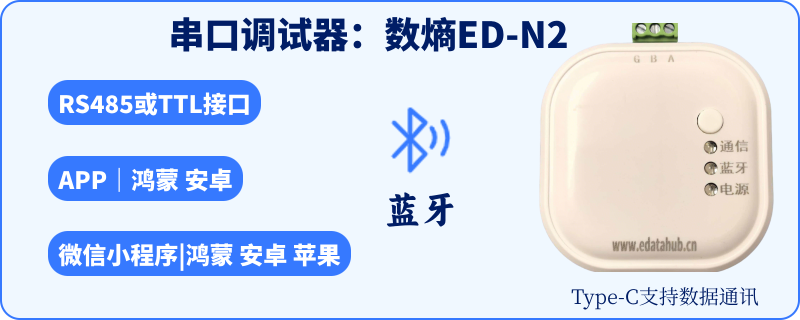
edatahub ED-N2-RS485
Mobile Industrial Debuggers
The edatahub ED-N2 series portable Bluetooth serial debugger from Wuhan Shuentropy Technology Co., Ltd. drives the mobilization and digitalization of industrial debugging. The device supports RS485 or TTL communication interfaces — a portable solution built for on-site industrial debugging.
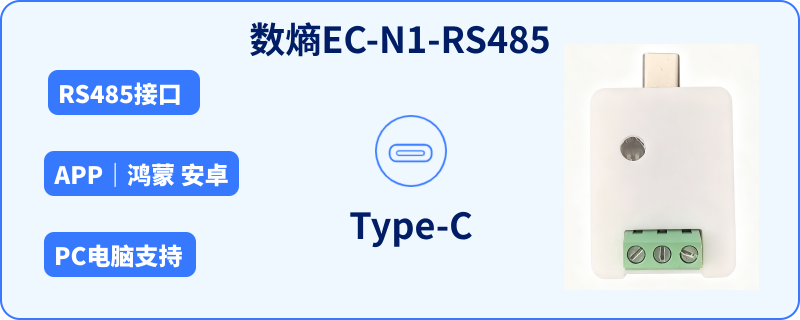
edatahub EC-N1-RS485
Mobile Industrial Debuggers
The edatahub EC-N1-RS485 portable serial debugger from Wuhan Shuentropy Technology Co., Ltd. drives the mobilization and digitalization of industrial debugging. The device supports the RS485 communication interface — a portable solution built for on-site industrial debugging.
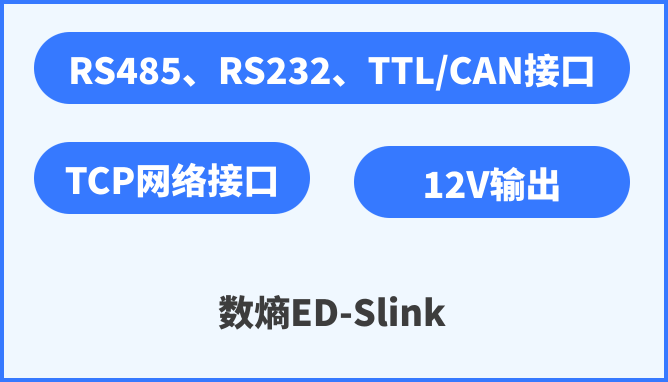
edatahub ED-SLink
Mobile Industrial Debuggers
The edatahub ED-SLink series multi-interface industrial debugger from Wuhan Shuentropy Technology Co., Ltd. drives the mobilization and digitalization of industrial debugging. The device supports RS485, RS232, Ethernet, CAN, or TTL communication interfaces — a portable solution built for on-site industrial debugging.
Why Is On-Site Debugging Moving from PCs to Phones?
edatahub ED mobile industrial debuggers connect directly to RS485/TTL devices over BLE, so Modbus register read/write and troubleshooting run without a PC. With up to 48 hours of battery life and configurable serial parameters, they support Android, HarmonyOS, and Windows — significantly lowering on-site debugging costs.
Carrying a laptop on the shop floor is inconvenient, and debugging windows are short. The edatahub ED series turns your phone into an industrial debugging terminal: connect to RS485 devices over BLE to run Modbus debugging and routine inspections.
FAQ
Can edatahub ED industrial debuggers replace a PC for Modbus debugging?
Yes. The edatahub ED Bluetooth serial debugger connects to the phone app over BLE, turning the phone into an industrial debugging terminal. Modbus RTU register read/write, parameter inspection, and troubleshooting all run without a PC — ideal for fast on-site debugging.
Which communication interfaces do edatahub ED debuggers support?
Depending on the model: RS485, RS232, TTL, Ethernet, and CAN. The ED-N2-RS485 and EC-N1-RS485 offer RS485/TTL serial ports, while the ED-SLink provides RS485, RS232, Ethernet, CAN, and more — choose based on your site requirements.
How long does the battery last, and can serial parameters be customized?
The rechargeable battery runs up to 48 hours on a full charge. Data bits, baud rate, parity, and stop bits are all configurable to match the serial protocol requirements of different device brands.